
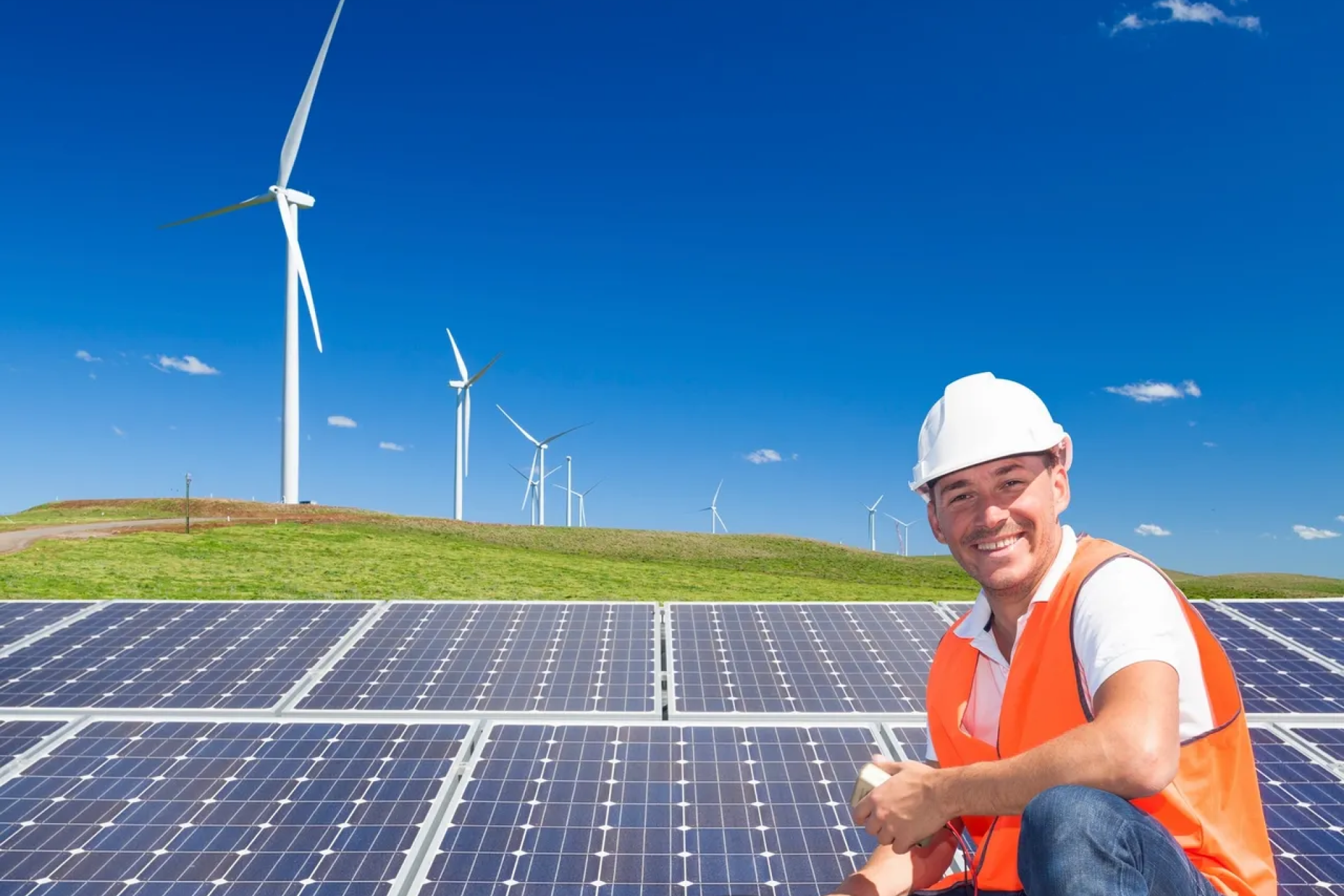
Are you interested in learning more about renewable energy and how it can benefit the environment and the economy? Renewable energy is energy that comes from natural sources that are not finite or exhaustible, such as wind, sunlight, water, geothermal heat, and biomass. Unlike fossil fuels, renewable energy sources do not emit harmful greenhouse gases or pollutants that contribute to climate change and health problems. In this blog post, we will explore five types of renewable energy and their various uses.
Solar Energy
Solar energy is one of the most popular and widely used forms of renewable energy. It involves capturing the radiant energy from the sun and converting it into electricity or heat. There are different technologies that can harness solar energy, such as photovoltaic (PV) panels, solar thermal collectors, concentrated solar power (CSP) systems, artificial photosynthesis, and solar architecture. Solar energy can be used for various purposes, such as lighting, heating, cooling, cooking, water pumping, desalination, and telecommunications. Solar energy is also a clean and abundant source of energy that can reduce dependence on fossil fuels and lower energy bills.
Wind Energy
Wind energy is another form of renewable energy that utilizes the kinetic energy of wind to generate electricity or mechanical power. Wind turbines are devices that convert wind energy into rotational motion, which can then be used to power generators or pumps. Wind energy can be used for various applications, such as grid-connected electricity generation, off-grid power supply, water pumping, irrigation, and transportation. Wind energy is also a clean and cost-effective source of energy that can create jobs and enhance rural development.
Hydroelectric Energy
Hydroelectric energy is a form of renewable energy that uses the potential energy of water stored in dams or reservoirs to generate electricity or mechanical power. Hydroelectric plants use turbines to convert the kinetic energy of water flow into rotational motion, which can then be used to power generators or pumps. Hydroelectric energy can be used for various purposes, such as grid-connected electricity generation, off-grid power supply, water supply, irrigation, flood control, and recreation. Hydroelectric energy is also a clean and reliable source of energy that can help regulate the electricity grid and balance the supply and demand.
Geothermal Energy
Geothermal energy is a form of renewable energy that uses the heat stored in the earth’s crust to generate electricity or heat. Geothermal plants use wells or pipes to access the hot water or steam from underground reservoirs and use them to power turbines or heat exchangers. Geothermal energy can be used for various purposes, such as grid-connected electricity generation, off-grid power supply, heating, cooling, hot water supply, greenhouses, aquaculture, and industrial processes. Geothermal energy is also a clean and sustainable source of energy that can provide baseload power and reduce greenhouse gas emissions.
Biomass Energy
Biomass energy is a form of renewable energy that uses organic matter from plants or animals to generate electricity or heat. Biomass sources include wood, crops, waste, landfill gas, biogas, biofuels, and algae. Biomass plants use combustion, gasification, pyrolysis, anaerobic digestion, fermentation, or transesterification to convert biomass into useful forms of energy. Biomass energy can be used for various purposes, such as grid-connected electricity generation, off-grid power supply, heating, cooling, cooking, transportation fuels, and bioproducts. Biomass energy is also a versatile and renewable source of energy that can reduce waste and support rural development.
Conclusion
Renewable energy is a vital solution for addressing the global challenges of climate change, energy security, and economic development. By using renewable energy sources instead of fossil fuels, we can reduce greenhouse gas emissions, improve air quality, create jobs, save money, and protect the environment. Renewable energy sources are also abundant and diverse, offering various options for different needs and contexts. We hope this blog post has given you some insights into the types and uses of renewable energy.
